
New Wives, Same Crimes
Hercules, Part 8: Hercules struggles with freedom and murder once again
Content warnings: murder, violence, assault, slavery, capture, death of a child, abandonment
Find the last two parts of Hercules’ story here:
Part 6

Part 7

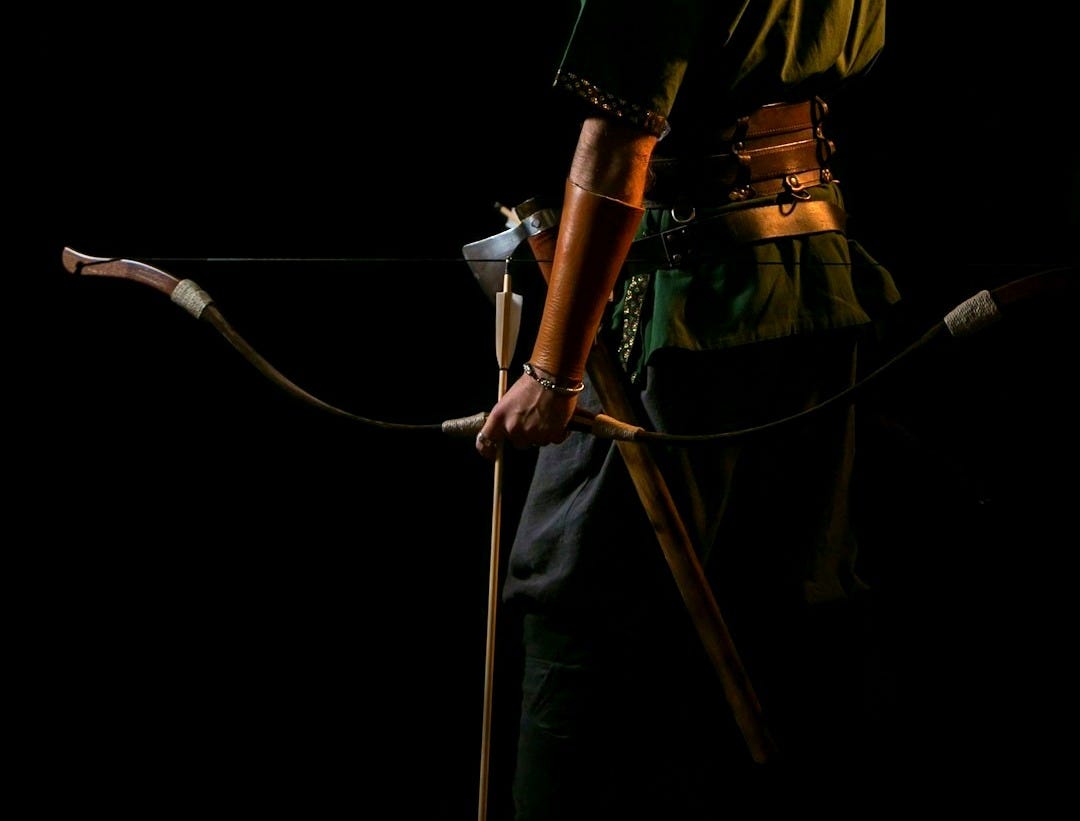
Now happily banished from Argolis, Hercules travelled for some time performing small favours and feats wherever he went, though eventually he heard of an opportunity that interested him immensely. His old archery tutor, the Thessalian King Eurytus of Oechalia, was holding an archery competition for the hand of his daughter, the princess Iole.
Eurytus had ruled that whoever could beat himself and his sons would win Iole, and Hercules was freshly blessed by the gods and in the market for a new wife. Hercules, having learned under Eurytus and having refined his shooting skills during his labours, was by far the most proficient archer on the field and winning the competition was a fairly simple feat for him.
Eurytus, on the other hand, while thrilled to see his old student, was devastated when he won the competition. After all, Hercules had infamously killed his whole family several years ago and Eurytus loved his daughter too much to sacrifice her to such a brute. After considering his options, the king firmly denied Hercules the hand of Iole, a decision backed by all but one of her brothers.
Iphitus, the only one of Eurytus’ sons to side with Hercules, opposed the unfairness of such a choice; if Hercules had won then he had won, no matter how Eurytus felt about the result. He wouldn’t budge on his decision, however, and Iole remained free of Hercules by her father’s rule. Hercules, meanwhile, departed from the palace in high dudgeon and remained for only a few further days in the city before departing for home.
During those days, twelve of King Eurytus’ prized mares went missing from the palace stables and the king was instantly suspicious of a potentially rebellious Hercules but could find no evidence against him. Iphitus, still convinced that his father’s actions were less than honourable, didn’t blame Hercules for the theft but instead thought it likely that Autolycus, a known thief in the area, was responsible.
Iphitus went to see Hercules and asked for his help in searching for the lost mares, to which Hercules agreed, if only to help out the one man who had backed him against his father. Together they searched for the mares throughout Tiryns, but by the evening they had turned up mareless and thirsty.
They drank together through the night and ended up on the city walls, joking and laughing. Unfortunately, things turned suddenly sour between the pair and Hercules began to argue with Iphitus, the fight dramatically culminating in Hercules pushing his new friend to his death from the city walls.
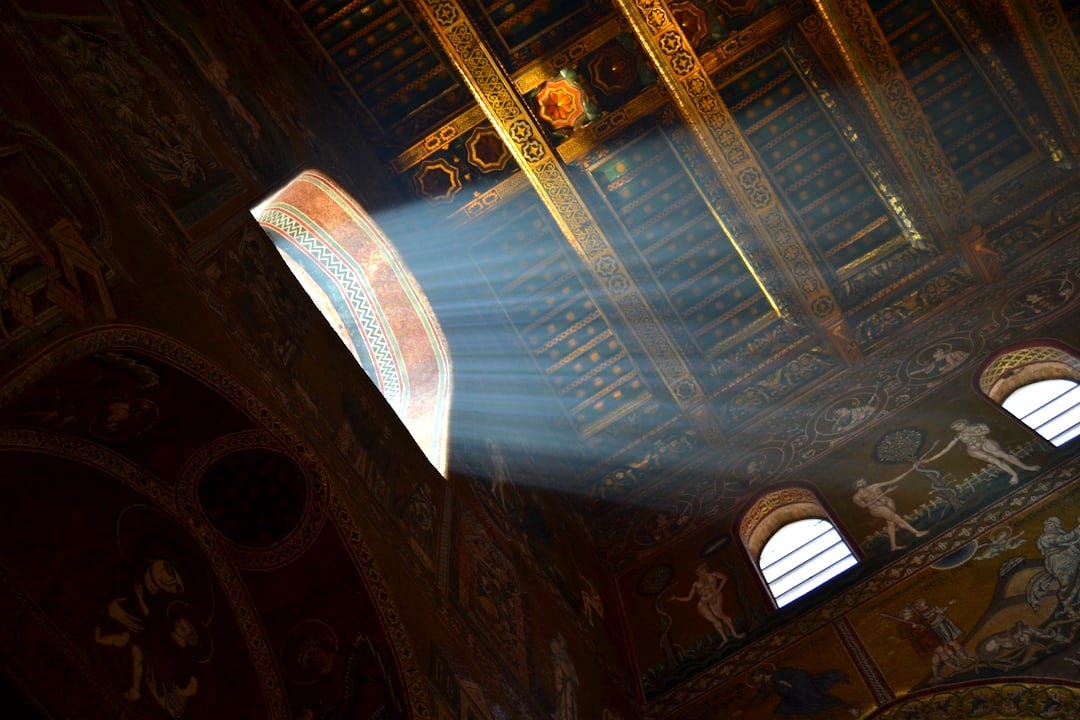
For his crime of killing Iphitus, Hercules contracted a divine-sent disease, a form of epilepsy. Once again, he found himself in the unenviable position of seeking repentance and purification for his soul from the gods after this most recent murder. He returned to the Pythia at Delphi, desperate to know how he could appease the gods and cleanse himself again, but the oracle had nothing for him; the gods were not willing to give Hercules a way out of his guilt this time.
His short temper growing more violent with every moment, Hercules began to destroy the temple of the Oracle of Delphi, one of the most heretical offences possible in such a holy place. Most heinous of all, he stormed into the adyton, the Pythia’s sacred space secluded from the public, and shoved her from the Delphic Tripod, the stool she sat on to encourage the vapours from the cave below.
Wrenching the stool from the Pythia’s furious grip, Hercules stalked back into the public area of the temple and continued to vandalise it, declaring that he would set up his own oracle with the tripod, one that would help purify him. Apollo, noticing this abhorrent behaviour in his beloved temple, rushed to the scene to confront Hercules, pausing only to summon his twin sister Artemis.
Apollo met Hercules while he was destroying the temple and fought him alongside his twin, forcing the tripod from his hands. Athena joined the fray on Hercules’ side before too long, but eventually Zeus once again found himself having to send a carefully placed lightning bolt to separate out another of Hercules’ fights.
The Pythia, left to recover herself in her violated adyton, received a vision then, something to sate Hercules’ need for guidance. She announced that to atone for Iphitus’ murder, Hercules had to sell himself into slavery for three years at whatever price Iphitus’ sons determined to be enough, with the money going to his family.
Hercules was sold to Queen Omphale of Lydia for his three years of service. Omphale had been recently widowed at the death of her husband, King Tmolus, who left her his kingdom. Unfortunately for Omphale, Lydia had plenty of enemies that she had inherited along with her realm, so having Hercules in her service promised to be a great benefit to her.
Hercules set about solving the problems Tmolus had left behind; for one, Hercules waged war at Omphale’s request on her fiercest enemies, a neighbouring people called the Itones. He successfully led the Lydian troops to victory against them, conquering their city for the queen.
He also defeated and captured the Cercopes, a pair of mischievous, monkey-like gnome thieves from the forests, the sons of Oceanus and Theia, a daughter of the Arabian king Memnon. They would often lie, cheat, rob and steal from travellers and from nearby villages, causing havoc across the region. Hercules captured them as they tried to steal his weapons and he punished them by tying them upside-down to a horizontal pole, though he soon relented and released them, amused by their japes and jokes.
When Icarus, famed boy who flew too close to the sun, fell from the sky, he landed in the waters of what would become the Icarian Sea, a part of the Aegean Sea close to Lydia. His body washed ashore on an island later named after him, Icaria, to which Hercules sailed out on Omphale’s orders to bury the unfortunate drowned boy.
There were also a couple of men harassing travellers journeying past their land; Syleus, a vineyard owner, who forced passing visitors to work on his vineyard, and Lityerses, a farmer who forced passers-by to compete in a harvesting contest and beheaded them if they lost against him. Hercules paid his own visit to Syleus and Lityerses respectively and killed them, avenging the souls of the strangers whose lives they’d taken or stolen from.
At the end of Hercules’ three years of service, Omphale freed him and he was cured of his disease. During his servitude, Hercules and Omphale had begun an affair, which resulted in their marriage after Hercules’ freedom. Together, they had three sons: Agelaus, Alcaeus and Tyrsenus, though after some years Hercules left Omphale and Lydia behind him in the dust, never to return.
Find the ninth part of Hercules’ story here:
