
Monster Hunter
Hercules, Part 5: One man against a zoo of horrors
Content warnings: killing monsters, references of harm to livestock, capturing an animal, killing humans, animals eating humans, animals killing each other
Find the last two parts of Hercules’ story here:
Part 3

Part 4

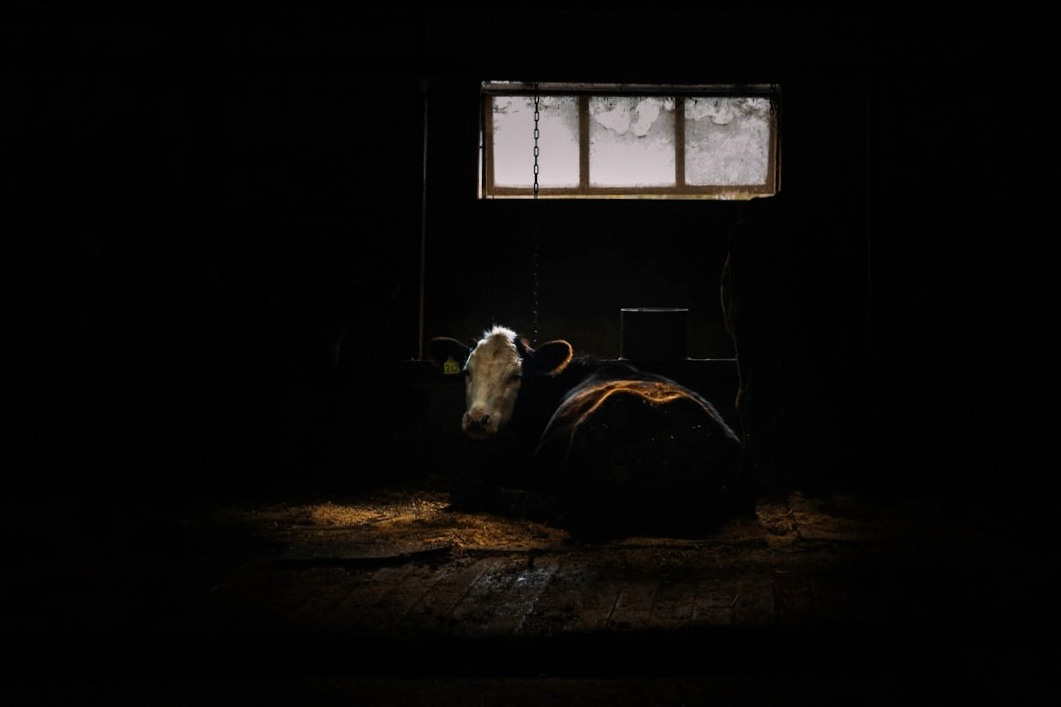
The terrified Eurystheus dispatched his herald with details of Hercules’ next task, this time a humiliating one. He was to clean out the massive stables of the king of Elis, Augeas, who had three thousand cattle, the biggest herd anywhere in Greece. The task was so enormous that it had never been done and, with a vindictive prod from Hera, Eurystheus had added an additional caveat: the cleaning of the stables had to be done in one day.
Hercules rode out to Elis without further delay, where he was greeted by a confused King Augeas. When Hercules explained his task to Augeas, the king laughed with surprise and scepticism, promising that if Hercules pulled off this impossible labour, he could have a tenth of his enormous herd.
After some consideration of the cavernous stables, Hercules devised a plan. He journeyed north of the stables and then south; to the north was the River Peneus and to the south was the River Alpheios. He rerouted the rivers to flow together through the stables, the torrential wash clearing away the hillocks of waste and flushing it clear of the stables.
Though impressed, Augeas nonetheless reneged on his offer of ten percent of his cattle; he claimed that he’d since learned of Eurystheus’ involvement in giving he quest in the first place and refused to fulfill his promise, leaving a furious Hercules to return to Mycenae successful but cowless. Eurystheus, having heard about Augeas’ offer, didn’t care that he hadn’t followed through. Since Hercules had completed his task under the impression he would receive some form of payment, Eurystheus ruled the trial as void, now bringing Hercules’ total number of labours to twelve.

Eurystheus issued Hercules’ sixth task with haste to try and prevent his incensed cousin from coming anywhere near him. He ordered Hercules to shoot down and otherwise drive off the monstrous birds that had settled near the Stymphalian marshes in Arcadia, at a lake surrounded by a dense forest.
The birds were the size of cranes and had bronze beaks and a fierce temperament, one equal only to the wild lions and leopards that roamed the mountains around Greece. The birds were known to be savage beasts, menacing the marshes and lakes nearby, invulnerable thanks to their metallic feathers; those feathers could also be flung as weapons, to the grisly discovery of any who crossed their paths.
Their ferocious nature was rumoured to be the result of their upbringing; the god of war, Ares, had fostered the birds and raised them to be both relentless and murderous. They ravaged the countryside and snapped up food whenever it became available, whether it was roaming livestock or wandering humans. Once they were fully grown, Ares gifted the birds to Artemis and she kept them as pets.
To enable Hercules to drive the birds away, Athena appeared to Hercules once again. Stepping from her holy light, she offered him another weapon: this time it was a golden pair of crotala, some clappers that would scare the birds into the air. With the monsters in flight, Hercules could shoot them with his poisoned arrows in the soft flesh of their underbellies as they flew high above him. The few birds that managed to escape his rain of terrifying arrows fled permanently, never to return to the Stymphalian marshes.

Eurystheus was joined in frustration and fury by Hera, who ranted and rampaged at Hercules’ continued success. Together they determined the next labour: Hercules must capture the mad bull of Crete.
The sizeable bull had been running wild around the island of Crete since its fathering of the Minotaur, driven mad by Poseidon in return for King Minos’ disobedience. On Poseidon’s whim, the Cretan Bull was destroying homes, crops and livelihoods, leaving the people crying out for salvation from the beast.
The gods’ answer, save for Hera and Poseidon, was Hercules. He set out from Mycenae once again, travelling over land and sea to face the angry, snow white bull. Once he found it, he wrangled it like he once had wrestled the Nemean Lion. He bundled the subdued animal onto a ship and sailed it back to Eurystheus, who again cowered in the face of such a beast. He ordered Hercules to release the bull so he did, allowing the Cretan Bull to end up as the Marathonian Bull when it ran to the city of Marathon, becoming some other hero’s problem.
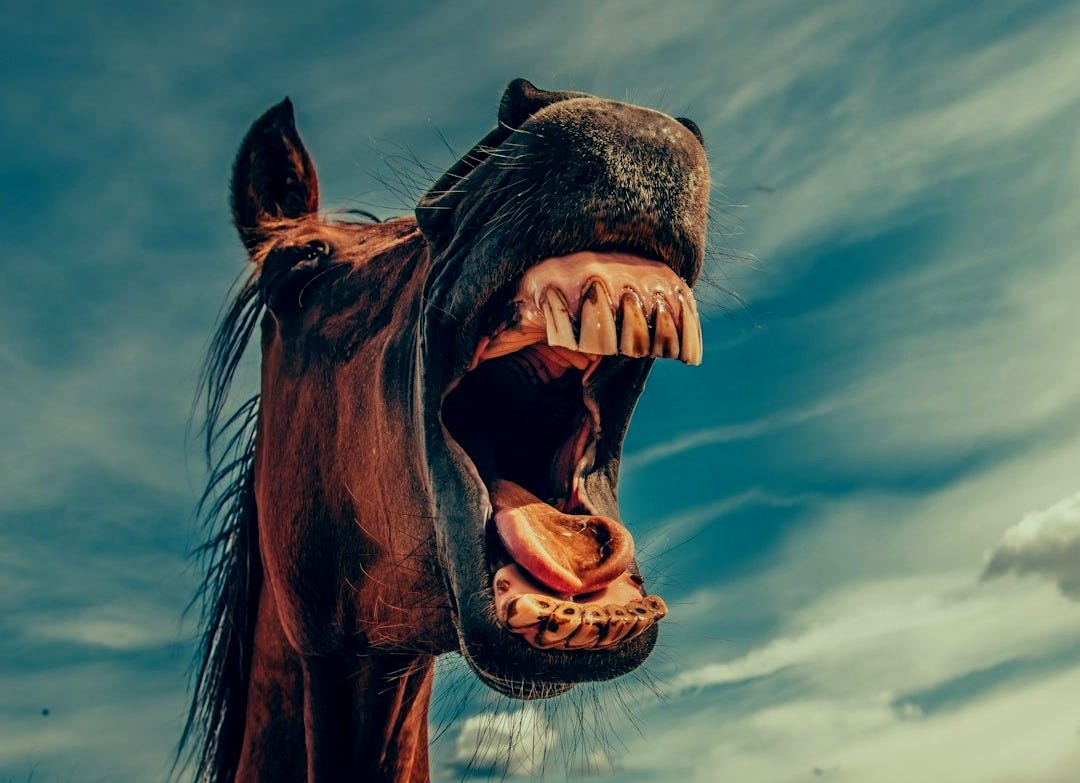
Hercules’ eighth labour was a little more daunting than a rampant bull, however. Eurystheus decreed that he travel to Thrace and capture the man-eating, fire-breathing mares of King Diomedes, the leader of the Bistone people there.
Hercules managed to get the mares away from the stables with some little effort, sneaking them out under the cover of darkness. During his time travelling through Thrace, he had come across a young man he’d taken a liking to by the name of Abderus. Hercules had told him about the task at hand, and Abderus had been delighted with a chance to prove himself at such a hero’s side.
The two men urged the horses away from the town, out through the streets and away into the darkness of the wilderness beyond. They drove the horses to the end of a peninsula, where Hercules began to dig a trench, severing the tip of the cape off from the rest of the land and trapping the horses on it.
They knew it was only a matter of time before someone would notice the missing mares. Sure enough, torchlight soon began to bloom out from the stables and through the town as the guards rallied a force of angry townspeople. Before long, their shouting voices could be heard, even at the peninsula. Hercules instructed his lover to keep an eye on the horses while he went to fight off the Bistones.
The battle was short and sharp with Hercules picking off the tribesmen one by one, until he was left, almost alone, in the fresh sea of bodies he’d created. He dragged the near-dead King Diomedes behind him, heading back to Abderus, but he dropped the man as soon as he saw their new meal: the corpse of his lover, half eaten and toasted by the horses’ fiery breath.
He threw the king — still alive — at their feet, horrified by their devastating meal, and fell to his knees in grief. By dawn, he’d decided on a plan of action and the horses had devoured their master. Stocking up a supply of fresh meat from the battlefield for the horses, Hercules set about burying Abderus in a tomb and founded a city in his honour, named Abdera.
Hercules then drove the mares back to Mycenae, now calmed by the meal they’d made of the king. When they arrived back at the city, Eurystheus declared that he would sacrifice the beastly horses to the gods, but he was met with an angry growl from a rapidly darkening sky. When the king announced his plan again, Zeus sent a warning bolt of lightning to strike near Eurystheus’ feet, causing the terrified king to abandon his plans of sacrifice and release the horses back into the wild.
Zeus, abhorred by the potential gift of such nightmares, instead sent wild animals to kill the beasts at the foot of Mount Olympus before they could reach the gods.
Find the sixth part of Hercules’ story here:
