
Penned In
The Trojan War, Part 14: A divine change of heart and the efforts of Teucer, the Greek sniper
Content warnings: violence, wounding, war, death, animal in distress, animal death (mercy euthanasia), misogyny
Find the last two parts of the story of the Trojan War here:
Part 12

Part 13

The day soon dawned under the watchful eye of Zeus from his seat upon Mount Ida, who observed the men of both sides of the conflict as they hurriedly ate before arming themselves for another day of heavy bloodshed. As he gazed, the king of the gods couldn’t help but notice the Trojan side was rather lacking in the still-bolstered numbers boasted by the Greek army.
In due time, the gates of Troy were opened and its remaining men poured out as water from a jug, spilling onto the battlefield with an urge to end the fight as soon as they could, whichever way the blade of victory would fall. The Greek army rose to meet them in a grand swell from the shore and the bloody affair began once more, the clang of bronze and iron filling the air and reaching the lofty heights of Ida.
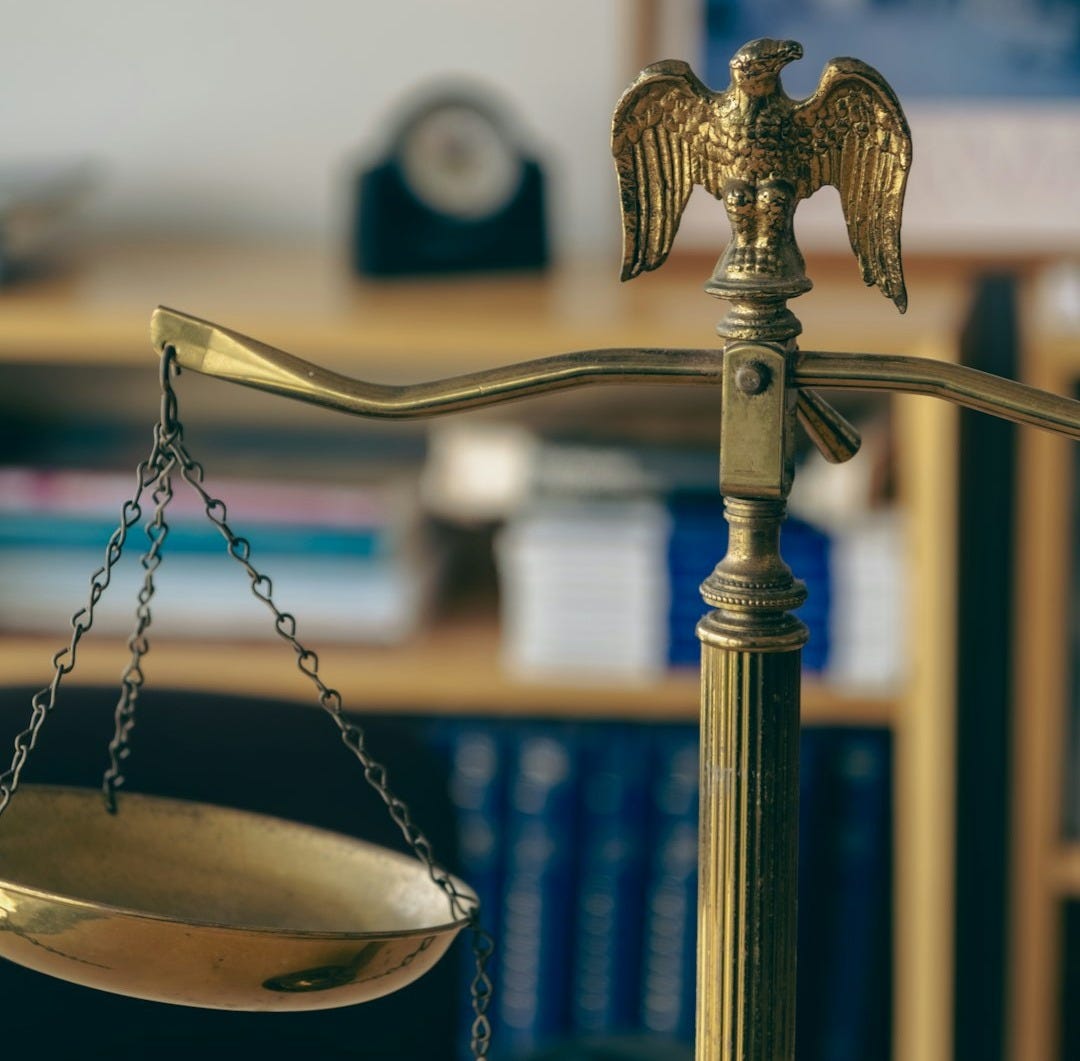
The morning passed, both armies losing men to the parries and slices of the other side, until at last noon struck her blazing heat across them all. Taking his cue from the scorching sun, Zeus lifted up a scale and placed a token of Greece on one side and a token of Troy on the other. The former dipped, raising the latter side high, deciding Zeus’ mind. He sent a blinding light over the Greeks, casting over them such fear that they all cowered and could not stand: not Agamemnon, Idomeneus, Diomedes, nor either Ajax.

The only man left standing in the Greek army was Nestor, though it was through no brazen arrogance to stand in spite of the mighty Zeus. Paris had just shot his horse, who was rearing and bucking in its agony. He tried to console the animal and ease its pain but nothing would calm him. Feeling the loss already blossoming in his chest, Nestor reluctantly put the horse down as painlessly and easily as he could.
It was while he did this that Hector took advantage of Zeus’ and Nestor’s distraction to draw up close on his chariot, aiming to take out one of the most essential leaders the Greek army had. Diomedes, though still kneeling in fear and reverence, refused to be unaware and ignorant of his comrade’s plight. He called to Odysseus, the closest of the army’s greatest fighters, and told him to stop cowering or one of the Trojans would happily take the opportunity to run his sword through his mighty back. Nestor was in need of his aid, he chided, and urged him to stand to his defence.
Odysseus was bathed in fear, though, and deaf to Diomedes’ attempted pleas and rallies. Diomedes saw his upturned eyes, along with all of their men, and realised that only he could be Nestor’s saving grace. He rose from where he knelt, pushing his divine terror away, and eased himself quickly through the surrendered forms of his men.
Soon enough, he reached Nestor’s side and stood between the king and the prince who was bearing down fast upon him. He called to Nestor and urged him to leave his horses for his men to handle and to join him in his own chariot so that together they might go up against the relentless Prince Hector. He did, after all, have the newly-liberated horses of Aeneas, those wonderous beasts of Tros, and Nestor was indispensable to their war effort.

Nestor agreed, handing over his horses to his squire Eurymedon and Diomedes’ man Sthenelus before taking the latter’s place beside the blood-soaked hero of the hour. He whipped up the horses and led them in a steady arc to intercept Hector, giving Diomedes enough time to ready his spear for an attack.
As the two chariots came in range of each other, Diomedes launched his weapon but missed, Apollo ensuring Hector’s safety from atop the Trojan walls he had built, instead sending it to hit Hector’s driver Eniopeus. He was knocked from Hector’s chariot, dead, and the loss of their driver made Hector’s horses shy and rear.
His own grief now striking him, Hector took quick control of his reins and turned his horses around: without a driver he was useless, so Eniopeus’ loss meant retreating to find another. He soon found Archeptolemus, the son of Prince Iphitus of Oechalia, who happily hopped up beside Hector and took over his reins.
The forces of Troy had now been hemmed in on all sides; while Diomedes, Nestor and Hector were facing off, the Greek army had rallied once more and had taken their leaders’ examples, fighting furiously in the face of Zeus’ threat. Zeus himself could not be content with such an adverse reaction, though, and he hurled one of his mighty thunderbolts to land squarely in front of Diomedes’ chariot, spooking his horses and stopping them in their tracks.
Nestor dropped the reins in his surprise but swiftly gathered them again, doing all he could to rangle the horses back into driving form. He suggested to Diomedes that they turn back, that if Zeus did not wish for their involvement then the bolt was a generous warning shot, a chance they should surely seize to keep their lives while they still could. Diomedes was disappointed but knew the truth in Nestor’s words; after all, they were mere mortals in the face of Zeus’ power and he wished to live and fight another day.
He knew that Hector would taunt him, that he would see their retreat as weakness, but his protests to such an effect were only half-hearted and he allowed Nestor to steer them back toward the camps. As he did, he reassured Diomedes that even if Hector did tell the story of their retreat, none would believe it, especially after the slaughter he had rained down upon the Trojan army in the past few days; he was simply too feared and too respected for anyone to so easily lessen their opinion of him.
Sure enough, Hector and his army jeered at the retreat of the glorious Diomedes, throwing their spears that landed like rain all around them. Hector yelled as they went that after all his bloody glory, Diomedes was no better than some common woman running from the first sign of danger. Three times he considered turning back to face Hector and three times more did Zeus strike the ground behind his chariot, herding him back into the safety net of the Greek camp with every mere thought of returning to the fight.
With every metre Nestor and Diomedes drove back and every lightning strike against them, the Trojans became more bold and more encouraged as they saw the great Greek champion heading for home. Hector, fresh from his taunting and his snipes, saw his men reinvigorated at the sight of Diomedes’ flight and called to encourage them to use this fresh bravery to their advantage. Now was the moment to press their lead, he told them. At Zeus’ grace, he openly mocked the Greek defences, declaring that the Trojans would scale their walls and have their horses jump the moat, that they would burn their ships to the ground and the Greeks would have nowhere to run in the trap they had built to protect themselves.
He called up his horses, geeing them on by name and reminding them of the fine care that Andromache had taken of them at home, urging them on to gallop well for his victory. He roared his men into action, telling them of his plan to kill Diomedes and strip him of Glaucus’ armour, that today was the day the Greeks would die on Trojan shores.
Up on Olympus, a largely powerless Hera was restless in her inability to go against her husband’s orders. She could only watch and listen as Hector ridiculed her champion, enraged that she could do nothing about such insults, her anger so pure and venomous that the entire mountain shook with her fury.
She called over to Poseidon, shaming him that even while the Greek army piled his altars high with sacrifices and praise he remained stoic and unmoving, leaving them to die while they carried his name on their lips in their calls for aid. If all the gods of Olympus who supported the Greeks united, she added almost as a promise, they could take Zeus’ might and push back on his almighty strength to leave him with nothing to do but sulk.
Poseidon warned her to be quiet, reminding her that the idea of going against Zeus would be entirely deranged, that such a coup would end in nothing but pain and torment for its leaders. Watching his sister fall silent with yet more ire, he contented himself with ignoring the glaring looks of wrath she was sending him, turning his attention firmly back to the battle.
Hera, too, retrained her attention on the mortals below once it became apparent that Poseidon was finished with his engagement in her provoking comments. She watched as the Trojans began to follow through on Hector’s threats, that they had begun backing the Greeks into the corner they had built and would soon have nowhere left to run. Refusing to let her side be so overwhelmed, she sent a thought to invade Agamemnon’s mind, telling him to encourage his men now at their time of need.
Under her instruction, Agamemnon retrieved a grand purple robe and carried it to Odysseus’ ship, one of the most central in the fleet of beached vessels. From there, he shouted to his men and both Greek and Trojan sides stopped to listen. He shamed his soldiers into movement, reminding them that even though they were penned in like common pigs, they had once boasted of their awaiting glories on their journeys to Troy, so sure had they been of their easy victory. Nonetheless, here they cowered, now fearing the awful touch of Hector’s flame to their ships.
He called out to Zeus, lamenting that the holiest and worthiest of gods would send him foolishness in dreams even through his persistent praise, through his blind worship, but still he asked for his aid. He reminded the great lord that he had never passed up on an opportunity to heap sacrifices on his altars, always stopping on their journey to Troy at every temple and place of worship. He called up that he now only asked for Zeus’ mercy, that he might spare the Greek army this once to live another day, to fight again in a fair battle.
As Agamemnon proclaimed his constant love and loyalty to the god who had turned his back on him, tears flowed freely down his cheeks. Zeus looked down to his faithful soldier and king of kings and felt a twinge of sorrow and pity, some slight remorse at the fervour with which he had gone against Agamemnon and his commanders. He vowed to, this time, save the Greek soldiers’ lives and sent an eagle to carry a young fawn to his altar within their camp, that all might see it and be inspired. The Greeks did indeed see this sign from Zeus and took it to heart, reinvigorated to fight anew and push the Trojans back and away from their walls.
Taking full advantage of the army’s renewed battle frenzy, Diomedes surged through the crowd and led his men at the front lines, driving the Trojans from their camp. He took Agelaus’ life as he turned to run from the Greeks’ resurgence, catching him from behind and piercing his back with his sword, just as he had warned Odysseus of just hours before, dragging him from his chariot and into the dust.
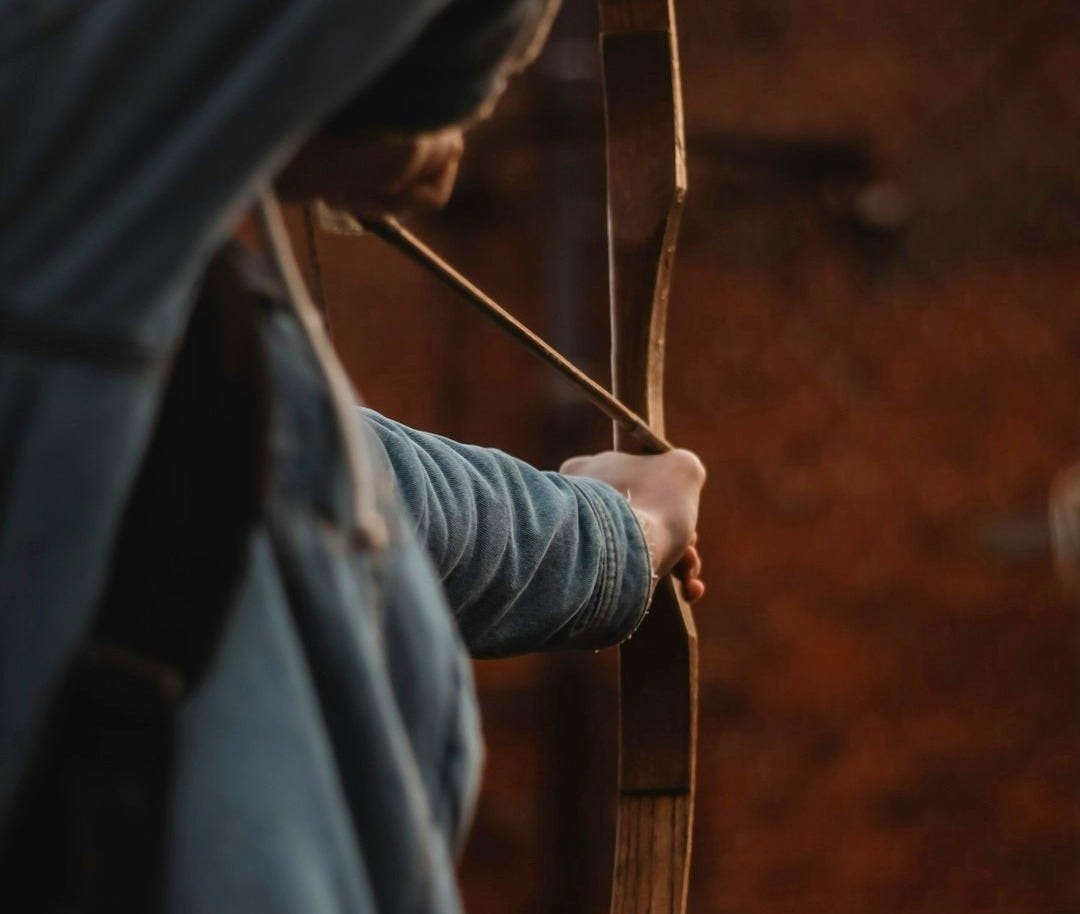
Beside him charged Agamemnon and Menelaus on one side, Ajaxes the Lesser and Greater on the other. Alongside them fought Idomeneus, Meriones, Eurypylus and Teucer. Teucer fought behind Ajax the Greater, his half-brother, crouching behind and below his shield while he prepared his arrows, then ducking out from his protection to loose his arrow and fell his target with a deadly shot.
With this teamwork, Teucer was able to strike and kill Orsilochus, Ormenus, Ophelestes, Daetor, Chromius, Lycophontes, Amopaon and, finally, Melanippus, one of the many sons of King Priam. Agamemnon spied this exceptional performance from his place alongside Teucer and Ajax and congratulated the archer on such a spectacular achievement on the battlefield. He called him the best of the Greek army and the pride of his father Telamon, who he made proud even these leagues from home. The king promised Teucer the first spoils of war after himself once they finally stormed the gates of Troy, a gift of whatever he desired out of the rich pickings of the city at their mercy.
Teucer thanked Agamemnon for such free praise and promise, though he also voiced his frustration. While he had done admittedly well with his kills, try as he might he could not hit Hector, even with his pronounced skill. Even as he spoke, he nocked and loosed another arrow at Prince Hector which appeared to bend away from its target, instead hitting Gorgythion, another son of Priam.
He sent a fresh arrow toward Hector and it swerved from the prince again, this time piercing Archeptolemos in the chest, killing him and sending his body rolling from the chariot even as he drove. Hector lurched as the horses shied and felt his heart sink with the loss of another friend and driver, but could not afford to stop and grieve, nor to retrieve the body. He called to another half-brother, Cebriones, to jump aboard and take his reins, which he swiftly did.
Hector then jumped from the chariot, deciding to end this menace of his men for good. He grabbed an enormous rock and hurled it at Teucer, who had just nocked another arrow. Even as Teucer aimed for his neck, Hector’s rock struck him on the collarbone, snapping his bowstring and crushing his hand and wrist.
Teucer dropped to his knees in pain and shock; the ever-attentive Ajax saw his half-brother crumple to the ground and reached to catch him, covering him with his great shield from any further assaults. There he remained, desperately clinging to his brother, until Mecisteus and Alastor could pick him up and carry him safely away and back to the ships for any treatment their healers could manage.
Find the fifteenth part of the story of the Trojan War here:
