
Inciting Incident
Hercules, Part 2: The crimes of a young hero
Content warnings: accidental murder, hunting and animal death, body mutilation and horror, arson, murder, family annihilation
Find part one of Hercules’ story here:

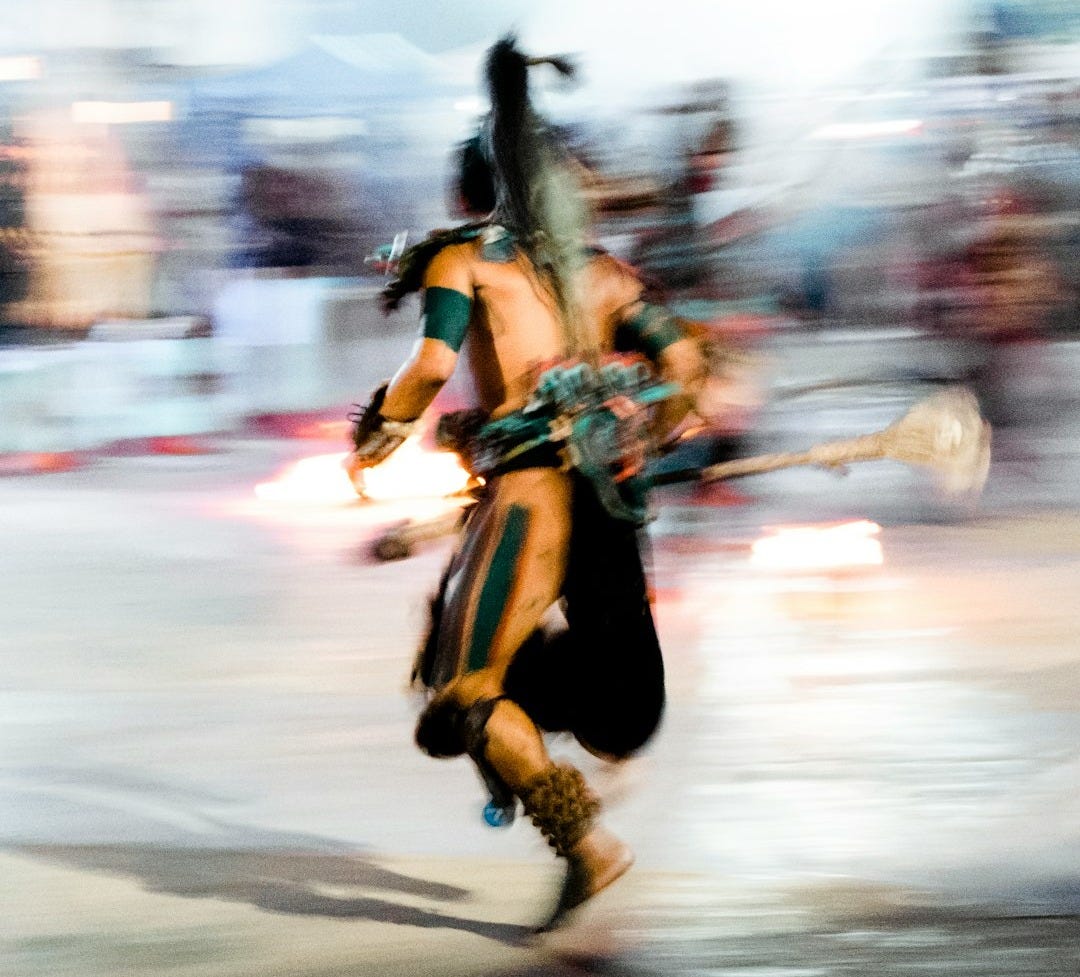
Iphicles and Hercules grew and learned together, seemingly safe from Hera’s wrath for the rest of their childhoods and teenage years. As Zeus’ son, it soon became very clear that Hercules had inherited a gift from his father, his godlike strength. Adjusting to the power such strength gave him would take some time, a feat made ever harder considering the short temper it was paired with.
The brothers, as the children of nobility, were well supplied with teachers in every subject. Their father taught them to drive a chariot while Autolycus, who would later become Odysseus’ grandfather, taught them to wrestle. Castor, the famed twin of Pollux and brother to Helen of Troy, taught them how to handle a sword and Harpalycus, son of Hermes, taught them to box. Finally, they learned archery from King Eurytus of Oechalia and their literature, writing and musical skills from Linus, son of Apollo and the half-brother of the famed musician Orpheus, as well as a renowned musician and poet himself.
This tutor last met an unfortunate end, however. While Hercules did try to learn to play the lyre, he wasn’t too keen on practicing the art of it. When Linus, frustrated with Hercules’ lack of practice, reprimanded the young man for his laziness, he wasn’t expecting the response that met his criticism. Hercules, tired of Linus and his nagging, wrenched the teacher’s lyre from his grasp and beat him over the head with it. Unfortunately, Hercules still hadn’t grasped how strong he was and a single blow to the head was enough to kill the unlucky Linus.
In the light of such a tragedy, Alcmene and Amphitryon were faced with the growing risk that Hercules was becoming. Though they loved their son, it was becoming apparent that they might need to protect the rest of their family from him if his temper was as short as his fists were strong. Amphitryon made the difficult choice to send Hercules away to the countryside to live at the family estate there, where the family kept in contact with him through letters and messengers as often as they could.
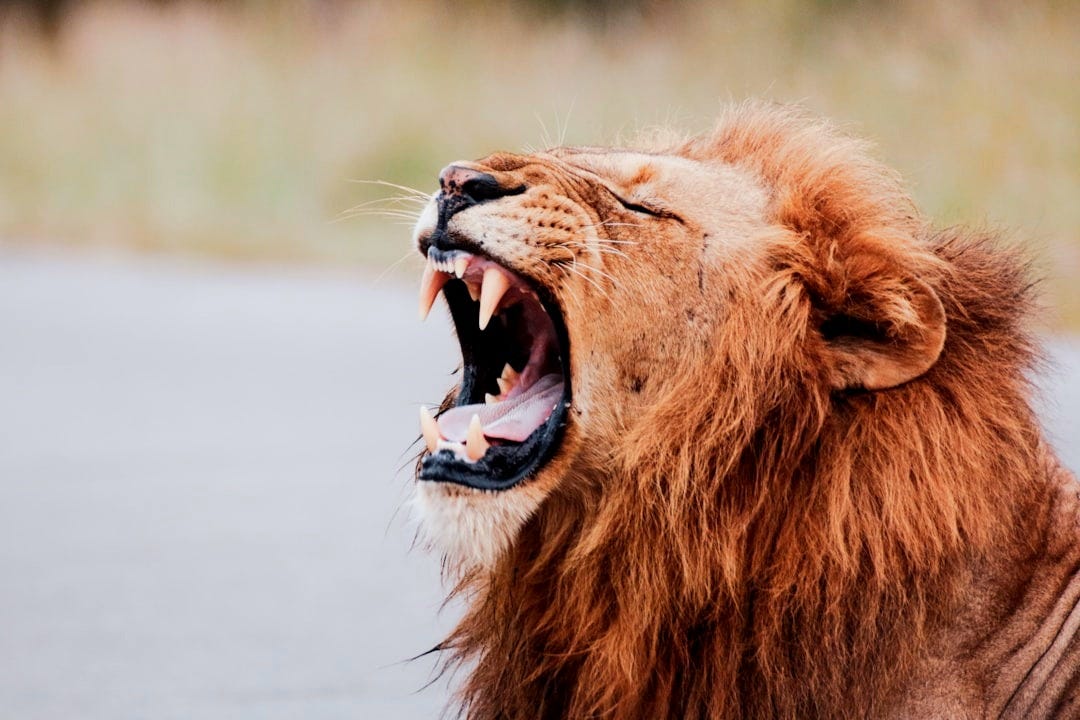
Hercules wasn’t left in isolation for too long, however. Having heard from Amphitryon of Hercules’ strength and his skills honed by tutors, Thespius, the Boeotian king of Thespiae, had a rather large and toothy problem that he needed solving. He invited young Hercules, now eighteen years old, to stay in his palace and join the hunt for a lion that was terrorising the lands around Mount Cithaeron, lands that belonged to both Thespius and Amphitryon.
Hercules was more than happy to take Thespius up on his offer of adventure and rode to his palace right away. He joined the other men on their daily expeditions to find the lion at once, eager to prove his skills and his worth to both his party and the king. Thespius, readily impressed by the young man at first sight, realised that he could benefit in more ways than one from Hercules’ stay. He sent a different one of his daughters to Hercules’ room every night, though Hercules, tired and drunk from feasting, believed them all to be the same girl.
The hunt lasted for fifty days before the party were at last successful when Hercules himself slayed the lion. Thespius was relieved to see the lion defeated and was even more pleased by Hercules’ nightly exploits: by the time he left the palace that evening to return home, all fifty of the king’s daughters were pregnant by him.

Soon after his return home, Hercules was recruited by the ruling regent Creon of Thebes to assist him in the war against the Minyans. The Minyan people had exacted an annual tribute of a hundred cows in recompense for the death of the king’s father at the hands of Creon’s father’s charioteer. This time, when the Minyan collectors arrived in Thebes to drive the cattle back to their lands, Hercules cut off their ears, noses and hands. He then tied the missing appendages to ropes slung around the collectors’ necks, told them that those would be the tributes and duly sent them back to their leader, Erginus.
Erginus took in the grisly sight of his emissaries and was incensed at Hercules’ gall. He gathered the Minyan army and marched to Thebes at once, vowing to bring down this awful mutilator and the lands that had supported him. The way to Thebes from Orchomenus, their city, was directly through a bottleneck of steep cliffs, something that Hercules was well aware of. He stationed himself and the Theban army there and waited for the Minyan troops to arrive, as he had known they would.
Sure enough, soon came the tramp of boots on the horizon, a tramp which got louder with every moment Hercules waited, keeping the Thebans low and out of sight. An unsuspecting King Erginus led his men at the head of the pack, so Hercules took great joy in killing him first. At his strike, the Theban army pounced on the Minyans as they were funnelled into the steep gorge and together, they and Hercules sliced through wave after wave of troops who couldn’t escape, penned in as they were by merciless rock.
Once most were dead and the other Minyan soldiers had fled, Hercules retraced the army’s steps to arrive at Orchomenus. Infiltrating the city and reaching the palace, he set light to it and watched as the building was razed to the ground, the heat of the day only encouraging the flames to lick higher and higher, rising, unstoppable, into the sky.
He then bargained with the only royalty left in the city: Thebes would no longer pay Orchomenus the cattle tribute, in fact the Minyans would pay double the original tribute to Thebes in two hundred cattle.
On his triumphant return to Thebes, Hercules was welcomed as a hero. Creon was only too happy to offer his daughter, Megara, as Hercules’ wife, should he want her.
Hercules did, in fact, want Megara as his wife, so they soon married and settled in Thebes, where they spent some happy years together. They had four sons: Therimachus, Creontiades, Deicoon and Deion. The family was a content one, growing and thriving happily as fate saw fit.
Hera, however, had not forgotten or forgiven Hercules’ existence as Alcmene and Amphitryon had assumed; the queen of the gods was merely biding her time, watching for the perfect opportunity to strike at Hercules’ now perfect little life. Seeing how comfortable and fulfilled his family was, Hera considered her options and decided on a plan.
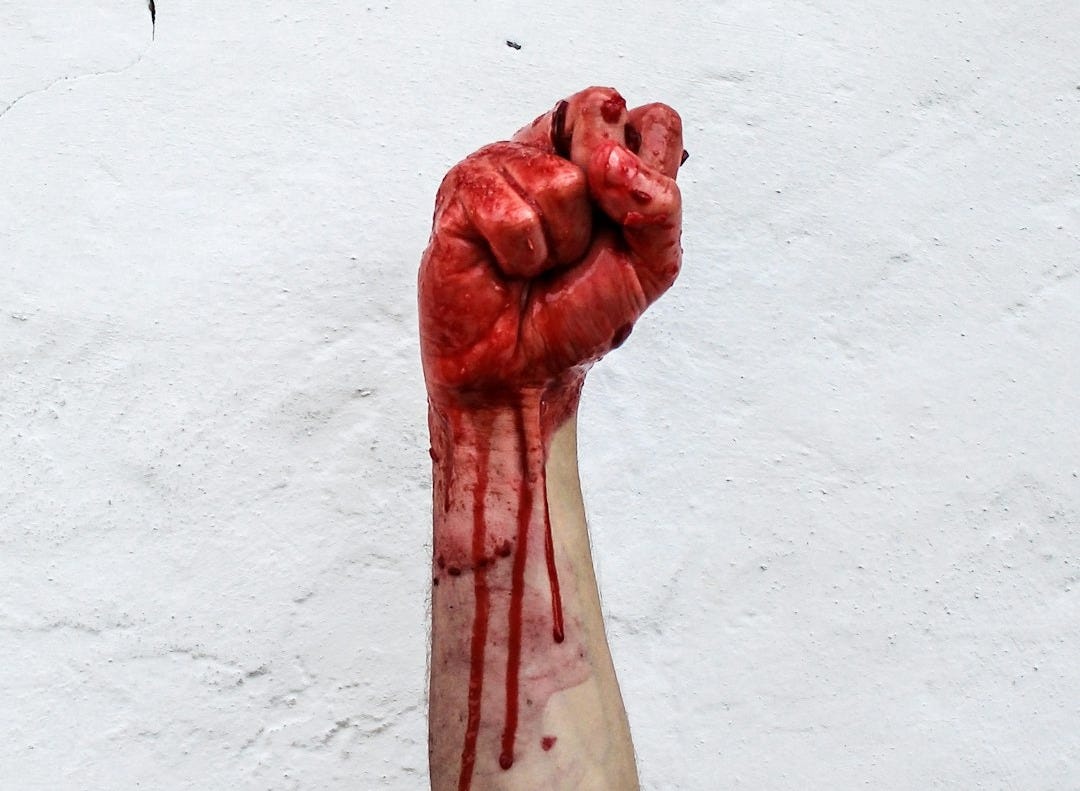
She personally bestowed on Hercules her twisted curse, turning him temporarily insane. In the haze of this madness, he believed that his beloved family were enemies poised to kill him, so Hercules attacked his wife, his four sons and two of Iphicles’ sons with anything he could get his hands on, including using his bow, arrows and the family fireplace.
Once the hysteria had passed, Hercules looked around in horror. The whitewashed walls were smeared and splattered with blood, the bodies of his family barely recognisable from the violence he’d wrought upon them. Devastated, he grieved for such a loss, feeling the corruption of such an act rending his soul in time with the waves of rage and sorrow that washed over him over and over again.
Desperate for salvation, Hercules journeyed to the Oracle of Delphi to ask her how he could possibly purify himself after such a heinous crime. Taking some moments to consult Apollo, the Pythia told him that the only way he could save his soul was to go to the kingdom of Argos and serve his cousin, the king, Eurystheus. The oracle added that performing the labours that Eurystheus would give him would not only cleanse his soul but would make him immortal, something Zeus had bargained for in allowing Hera to put Hercules through the trials at all.
Hercules, willing to do anything for redemption, packed up his life and began the trek to Mycenae for the start of his period of penance.
Find the third part of Hercules’ story here:
