
Artemis & Apollo
Leto's plight to birth her twins
Content warnings: rape, pregnancy, childbirth, killing, body horror, wounding
Reader warning: This post involves sexual assault. You and your safety matter; there are people who would love to give you help if you need it. If you or someone you know have encountered sexual assault or rape, there will be resources local to you. If you’re in Europe, America or Canada, these links can help find resources local to you.
Titan sibling-spouses Koios and Phoebe, gods of intellect and prophecy, had two daughters, Asteria and Leto, before the Titan war. The sisters grew up close, Asteria becoming a goddess of stars as well as prophecy like her mother, whereas Leto would become a goddess of motherhood and a protector of the young.
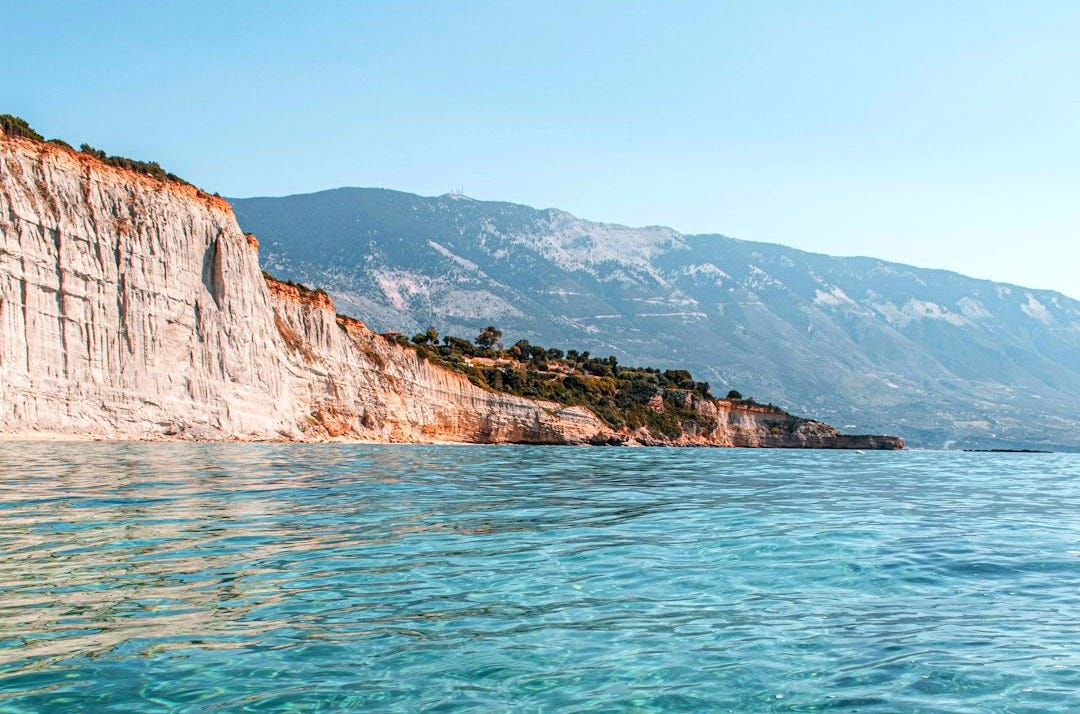
Leto was very close with Hera, Queen of Olympus, and was upset when Zeus took a shine to her sister. Zeus pursued Asteria relentlessly and to get away from him she transformed herself into a quail, frantically flying her way across the sky. When this did nothing to stop Zeus’ chase, Asteria threw her tiny body into the sea, this time transforming herself into an island. As a separate entity untethered to the seabed and therefore to Gaia, Asteria was free to float as the island of Delos.
Disappointed with Asteria’s escape, Zeus then turned his attention to her sister, Leto. Despite being his wife’s best friend, Zeus followed her, tracked her down and raped her, leaving her pregnant. When Leto came to Hera and told her what Zeus had done, Hera was furious at the pair of them, blaming her friend just as much as her husband. In her jealous rage, Hera cursed Leto so that she couldn’t give birth to her baby anywhere on Gaia’s land.
Sobbing and betrayed, Leto fled from Hera and started searching for somewhere, anywhere to have her child. It wasn’t until she was nearing the birth that she found her sister, ever there to support her, floating on the Aegean sea, completely separate from Gaia. Just in time, she made her way over to Delos and began her labour.
Hera, in a final act of revenge, had kidnapped her own daughter, Eileithyia. She would usually preside over births, being the goddess and protector of childbirth, so Hera made sure that she wouldn’t be able to go to Leto’s side when she needed her most. Without Eileithyia, Leto’s labour lasted nine days and nights before her daughter, Artemis, was born.
Leto’s unbearable pain wasn’t over yet, however. The labour hadn’t stopped; there was another baby coming. Artemis, freshly born, took one look at her mother and knew what she had to do. She bent over her and helped her through her brother’s agonising birth in Eileithyia’s stead, coaxing Apollo’s little body into the world.
Having witnessed the trauma of her brother’s birth and the pain her mother had experienced in labour, Artemis swore that she would never have to go through it, vowing to remain celibate for life. Still, she would become known as a protector of mothers and pregnant women, not to mention a goddess of childbirth, alongside being goddess of the moon and the hunt.
Apollo, too, was a god of archery but in place of Artemis’ connection with the moon, Apollo had a connection with the sun. Where Artemis was beautiful and silvered, he glowed as though the sun himself, handsome and golden. He was the god of music, poetry and healing.
Meanwhile Asteria, as Delos, grew ties to Gaia and became a stationary island, safe for her treasured sister to live on for the rest of her days if she chose, which she did.
Artemis and Apollo were staunchly protective of their mother after the pain and hardship both Hera and the labour put her through, over time taking every opportunity to show their dedication to her.

The queen of Thebes, Niobe, became frustrated and arrogant over her kingdom. She was the granddaughter of Zeus, so she believed that she deserved the highest respect from her people. Niobe began to question why her people would worship the gods, so distanced and invisible, when she was so beautiful and her husband had accomplished feats so exceptional as to be worthy of godliness.
Her biggest mistake came when she began to boast over her ability to have children. She had had six sons and six daughters, so she started telling her friends and servants that she was better at mothering than the goddess of motherhood, Leto. After all, Leto had only had two children, wasn’t Niobe a better fit for such a lofty title?
Word reached Leto of Niobe’s heresy and she folded in on herself. For a moment, she let Niobe’s words get to her, found herself wondering if they could possibly be true. Then, she shook herself back to reality; she was a goddess and Niobe had no right even to whisper Leto’s name in the same breath as her own. At once, she summoned her children and told them what Niobe had dared to do.
Apollo erupted immediately, enraged by Niobe’s gall. Artemis was just as angry, but her mind had jumped into action just as fast as her brother’s fist, which he had buried in a wall at that moment. Together, they assured their mother that she had been right to tell them what had happened, and right to be indignant at the queen’s behaviour. They told Leto that they would take care of Niobe and her arrogance, that she didn’t have to listen to her insults any longer.
Artemis and Apollo found Niobe in Thebes and set to work. Together, they hunted her children and killed them all; Artemis shooting dead the daughters, Apollo the sons. Niobe would have no more children to lord over Leto; she learned a sharp lesson in respect for the gods the day all of her children died.
King Orchomenus of the city of Orchomenus had a daughter named Elara. She, like many women, caught the eye of Zeus and he seduced her. On learning that she was pregnant, Zeus hid her under Gaia’s surface to keep her hidden from Hera’s jealous sight.
Staying underground for so long caused the baby within Elara to grow to an incredible size, destroying her as it grew within her. Gaia took over for Elara on her deathbed, promising to keep the baby safe until he was ready to be born. Finally, when the child reached 900ft, he birthed himself from Gaia’s depths by climbing from a cave named after his mother on Euboea, Elarion.
The boy was named Tityos, and fairly quickly Hera realised that she could use him to her advantage. Not fooled by Zeus’ plan to keep his giant son a secret, she influenced and encouraged Tityos in the direction of Delphi. She had him wait until Leto was making a journey to the city and then got him to try and force himself on her.
Leto yelled for help; her ever-vigilant twins descended like avenging angels, attacking Tityos as he assaulted their mother. They shot him over and over again, each arrow sending him closer and closer to the underworld. Finally, Apollo struck a final blow, throwing him into Tartarus to face his final, eternal punishment.
Deep in the abyss, Tityos was pinned down, limbs stretched. He was then subjected to a kind of torture favoured by the gods; every day, two vultures would fly down and eat his liver, tearing it from his side over and over until the end of time.